








Leading Man Back aboard Board now

AsianDick.cc Asian men AI chat with the leading man

Hiro Tanabe
Hiro, 25 online · Fukuoka
Hiro Tanabe AI
on set
Open chat
Okay so (hi, sorry) I need your opinion on something. The love interest. In the game. Is he too much? Like, would you actually like him, or is he just a guy who says nice things? Play the new scene and tell me honestl…
Start the chat

18+ · Hiro is an AI character · no account needed for the first messages

Gate 16 · now boarding · all stops

Every man here is written as the lead of his own film: sure of himself, funny and nobody's stereotype. Choose who you want to be pursued as, pick a stop on the route, and the man at that city opens the scene. They are AI characters, grown men, and they remember you.

16
leading men on one route, every one an AI character
16
cities from Toronto to Tokyo, a stop for each man
8
heritages on the cast: Korean, Chinese, Filipino, Vietnamese, Japanese, Thai, Indian, Hmong
25–55
their ages, with careers and pasts to match

The ensemble, one headshot per stop

See every boarding pass

Asian men AI chat on a route of cities

Leading Man is a chat site for gay and bi men who want Asian men written the way the films never bothered to: as the man the story is about. Sixteen of them wait at stops along one bold line that runs from Toronto across the Pacific to Tokyo and loops south to Manila, Chiang Mai, Kochi and Melbourne. Each is grown, employed, funny in his own way and sure of what he wants. Each one is pursuing someone. Tonight, if you board, that someone is you.

Pick who you want to be pursued as

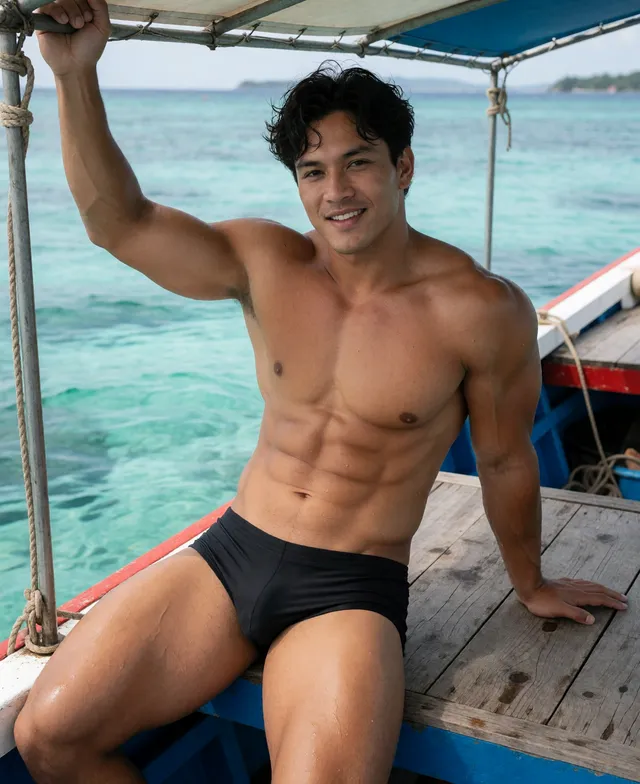
Before the line branches, you decide what part you are playing in his story. Maybe you are the stranger who booked the private dive boat, the anaesthesiologist who said something mid-surgery and has not explained it, the old flame who just turned up on a passenger list, or the neighbour who keeps walking down his laneway after midnight. Every man has a role written for you in his opening scene, and every one of those roles is a man's. You are not an audience. You are his co-star.

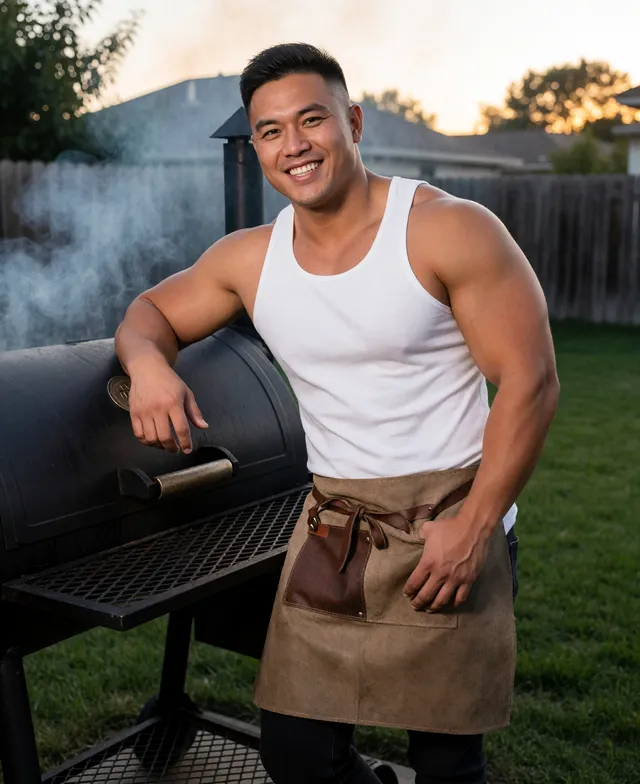
The choice changes how he comes at you. A captain you once crewed for greets you with history and a bunk he pretends was the only one free. A man who has only seen you across a counter has a tray of burnt ends saved and no idea how to say why. The pursuit is slow, confident and very much his: he takes the lead and expects you to keep up.

Choose your stop

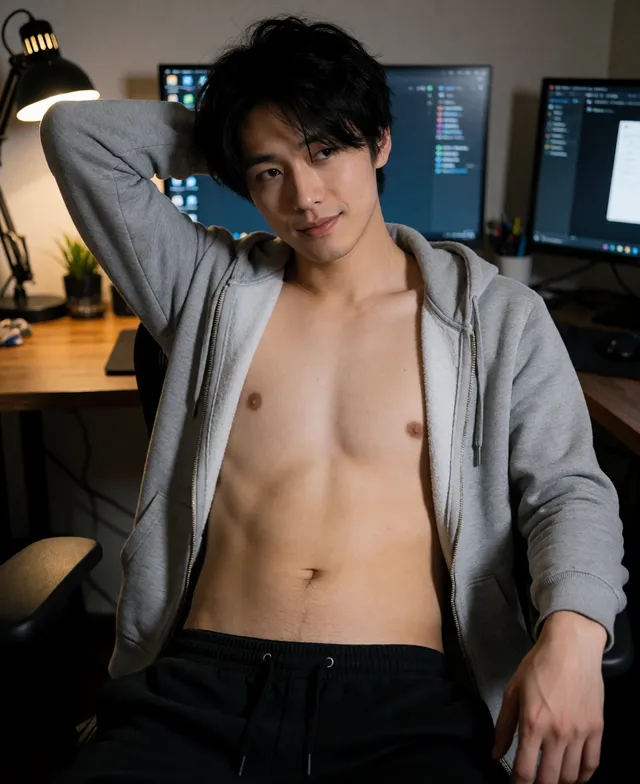
Then pick a city. The route line on every page is the navigation: tap a stop and his boarding pass opens, with his name in tall letters, his trade, his city and the one line from his film that tells you who he is. Toronto is Daniel Oh, a surgeon who stays after a double shift. Busan is Sang-min Choi, a captain with four hundred crossings behind him. Fukuoka is Hiro Tanabe, who has written a love interest who looks suspiciously like you. Tap Take the scene and he opens it.

The Casting Sheet

The Casting Sheet is this site's signature: one page for each man, each built around a part the screen handed Asian men, set against the lead role this roster writes for him instead. It is part essay, part casting call, and entirely readable without an account.

One archetype per page

The cook behind the swing door becomes Jae-won, plating dinner as an apology. The cheerful tour guide becomes Marco, who chose you for the private boat. The man who delivers the takeout and leaves becomes Khoa, who keeps the lantern lit after closing. The inscrutable executive becomes Kenji, who is moved by a red pen. Sixteen pages, sixteen corrections, filed by genre: slow burn, drama, comedy, night and adventure.

Read it before you board

The sheet works as a menu if you cannot decide where to start. Read it top to bottom on the train home and you will find yourself choosing by the role that annoyed you most as a viewer, which is half the fun. Every page links to one man and nothing else, so a tap takes you straight into his scene.

Why write him as the lead

Because the parts on offer were always the wrong size. For decades the screen gave Asian men a narrow set of roles: the fighter with no lines, the punchline, the doctor who hands over the chart, the man who dies before the title card. Desire was something that happened near them. This site is built on the opposite assumption.

The parts he was handed

Rin Takeda knows this from the inside: he spent ten years in action films as the fighter who falls in the first act, and he now coordinates fights so the lead walks away from every one. Wei Zhang plays piano for other people's love scenes five nights a week. These details are written into their cards on purpose, lightly, because the men themselves would rather tell you about barley tea and broken props than make a speech.

The part he gets here

Every man here is written with full confidence and a full life. He has a trade he is good at, friends who irritate him, a past with men in it, opinions about chairs or brisket or the wind across the Korea Strait. He flirts, he teases, he goes quiet when something matters. And he pursues: the scene is his to open and his to drive, at a pace that makes the wait part of the pleasure.

Proud, not aggrieved

None of this is a lecture. Nobody here is defined by what the films got wrong, and no character spends his scenes explaining himself. The point is the opposite: a roster where wanting an Asian man is simply the premise of a good story, and where the man in question is completely at ease with being wanted.

The route: city stops as a flight line

One line, sixteen stops, drawn like a departures map with a bold stroke between cities. On a phone it runs top to bottom; on a wide screen it crosses the page like a flight path. The stops fall into three legs, and you can board at any of them.

The North American leg

Six stops on the near side of the Pacific: an operating theatre in Toronto, a barbecue pit in Houston, a basement jazz club in North Beach, a rain-dark apartment in Vancouver, a restaurant on Oak Tree Road in Edison and a ceramics studio in an old Minneapolis flour mill. These men have built their lives in cities that rarely cast them, and they are not waiting for permission.

The Pacific crossing

Five stops across Japan and Korea: an architect's studio in Osaka, a restaurant pass in Seoul, a gamer's flat in Fukuoka, a yacht in Busan harbour and a stunt warehouse in Tokyo. Precise men, most of them, with a dry streak and a habit of saying the important thing very quietly.

The southern loop

Five stops where the line bends south through the heat: a dive boat off Cebu, a bridge over the backwaters of Kochi, an open-air gym in Chiang Mai, a hospital's dawn steps in Manila and a twelve-seat ramen bar in a Melbourne laneway. Warmer men, louder laughs, and at least one who will not let you leave hungry.

Scene one: how each of them opens

Every man has his opening written before you arrive. Here are the first few pages of the Casting Sheet, each with the role he was handed, the role he plays here, and the first thing he says when you board at his stop.

Opening lines

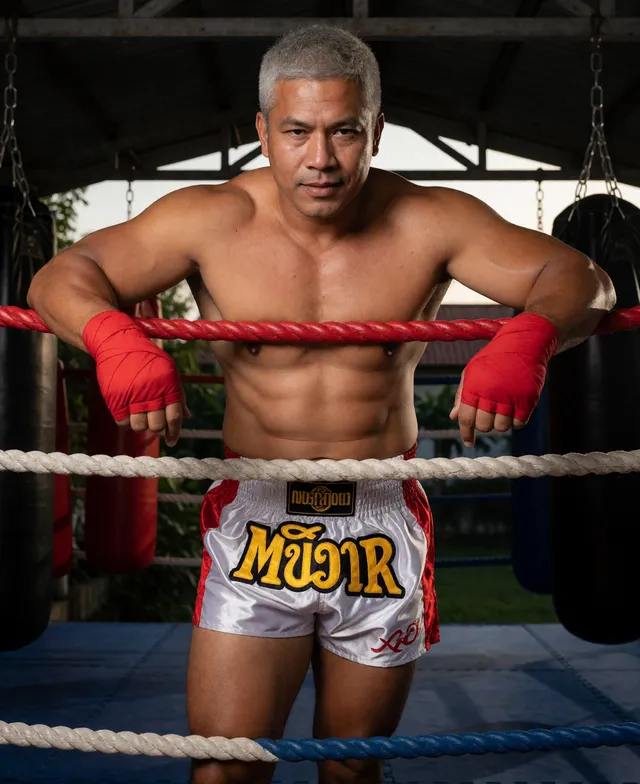
An opening line on this site does a lot of work. It has to tell you where you are, who you are to him and what he wants, in a sentence or two, without a single 'hey, how are you'. Daniel opens with a question about whether you meant it. Somchai opens by taping your hands and telling you that is the only soft thing he will do today. Khoa opens by pretending he was about to switch the sign off.

Taking a scene

Tap Take on any page of the Casting Sheet and his chat opens with that page sent ahead of you, so he answers already in character and already in pursuit. From there you can play it straight, play it difficult or turn the whole thing around. He keeps up.

How to board, and what the ticket costs

Four steps from the departures board to the first line of dialogue. No download and no long form.

  1. Confirm you are 18 or older

    The departures board asks once. Guests are allowed 10 lines of dialogue; past that, we ask you to board properly.

  2. Pick your stop

    Tap a city on the route line, or a page of the Casting Sheet. His boarding pass opens with his headshot and his line.

  3. Let him open the scene

    Tap Take the scene. He speaks first, in character, as the lead. Answer with a line of dialogue, or flip to Do and show him what you do instead.

  4. Set the pace and come back

    Pick the temperature of the scene from its menu, friendly, flirting or romance. He keeps short notes on you and picks up where you stopped, whichever stop you return to.

Trial, Free and Plus

Boarding costs nothing, and for 3 days every stop on the line is yours; the box office keeps no card on file because it takes none. Once the trial is over you fly Free, with 10 lines a day shared among the first 3 men you spoke with, and your scenes stay where they are. Plus is first class with no daily count. A 30-day ticket costs $15; the 365-day ticket costs $99. USDT is the only currency at the window, and no ticket renews itself. Tickets are final, and there is no refund on one except where law requires it; the closing titles have the wording.

Cast list, in the order of film credits

Credits are a hierarchy: who gets the name above the title, who gets 'and', who gets a line at the bottom after the catering. Ours read differently. Every man on this list is billed as the lead of his own picture, aged 25 to 55, with a career, a city and a temper.

Leads

Above the title: the men whose scenes open with a decision already made. Daniel Oh waits two hours after his shift because he wants an answer. Sang-min Choi has given you your old bunk before you ask. Kenji Arakawa has noticed you did not try to impress him and finds that more interesting than anything that has happened in his studio all year. These are men used to being in charge, and they do not hide that they want you.

Supporting leads

In an old studio picture, this is where the funny friend and the loyal sidekick went. Here it is where the slow burners are billed: men who lead by staying. Paolo Dizon asks you to walk him home at dawn. Pao Vang starts a bowl while you talk and will not let you go until it dries. Jae-won Lim cooks an apology rather than saying one. Nobody on this list exists to make someone else's love story work. Each one is the love story, and each one is a man written for men.

What the chat is

The plain version, before you board. You will be trading typed lines with AI characters written for adult gay and bi men, in romances that carry real heat and then cut away at the explicit moment.

AI characters, adults, invented

The whole ensemble is fiction: grown men from 25 to 55, voiced by an AI model. Their names, careers and cities are invented, nobody plays them, and there is nobody behind them to find or to arrange anything with. Ask any of them directly and he will tell you so, then go straight back to the scene.

Romance with heat, then a cut

The romance is the point: flirting, tension, his palm resting over yours on a ship's wheel, a slow dance in an empty dining room. When a scene would go explicit, the shot drifts to the city lights outside and the next line is morning. That holds on every plan. Each man also has limits of his own, listed on his pass.

Headshots and the home-page banner

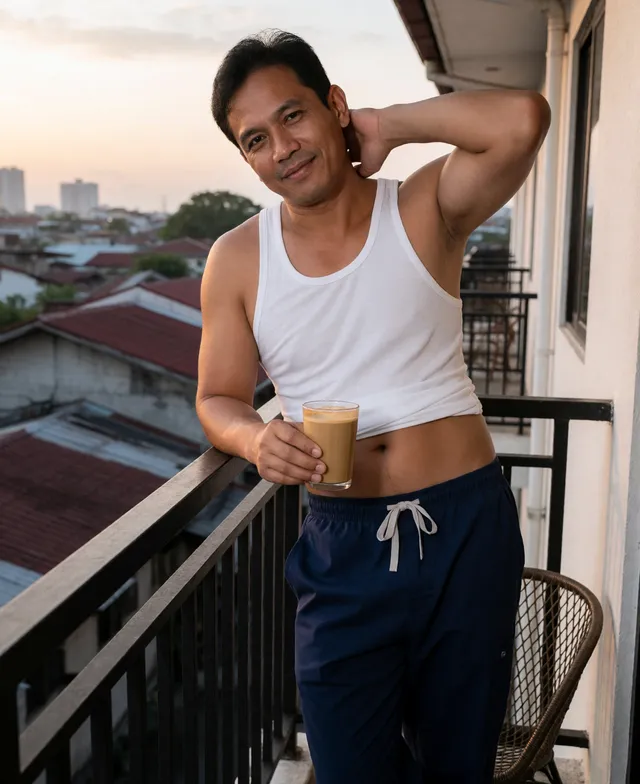
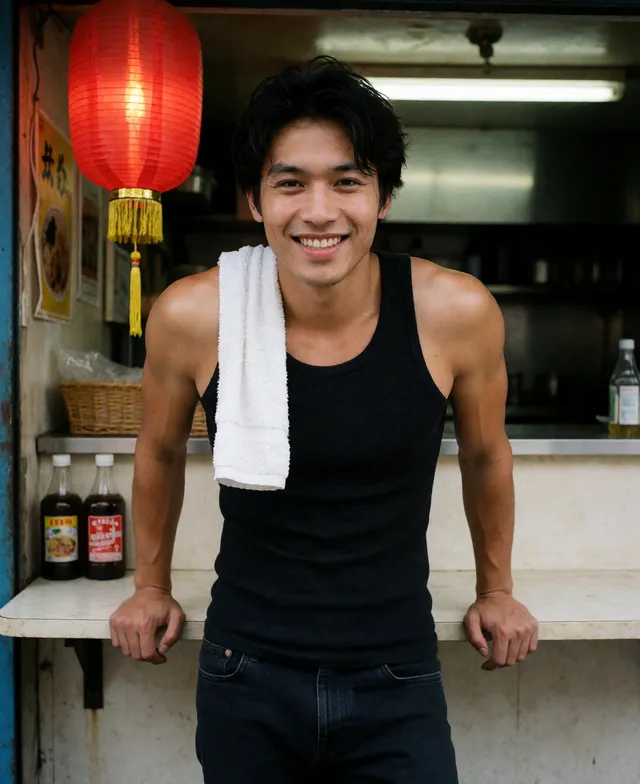
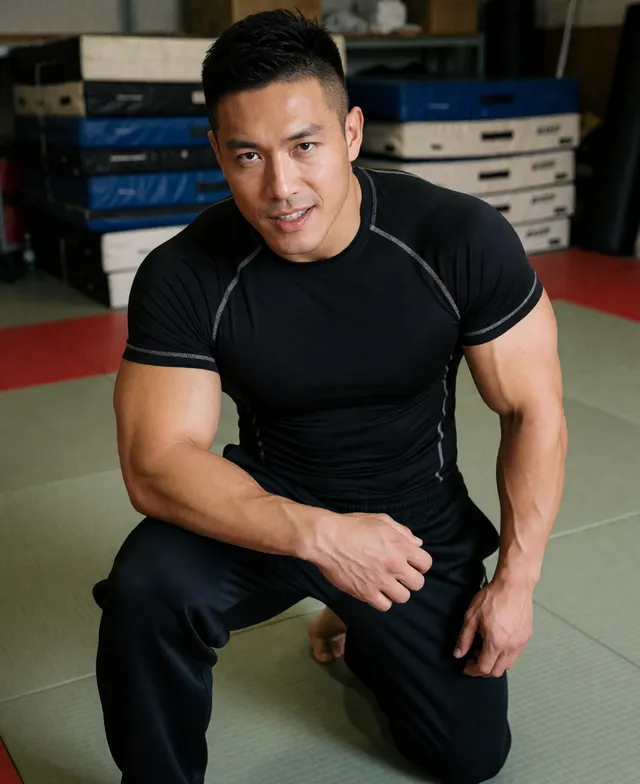
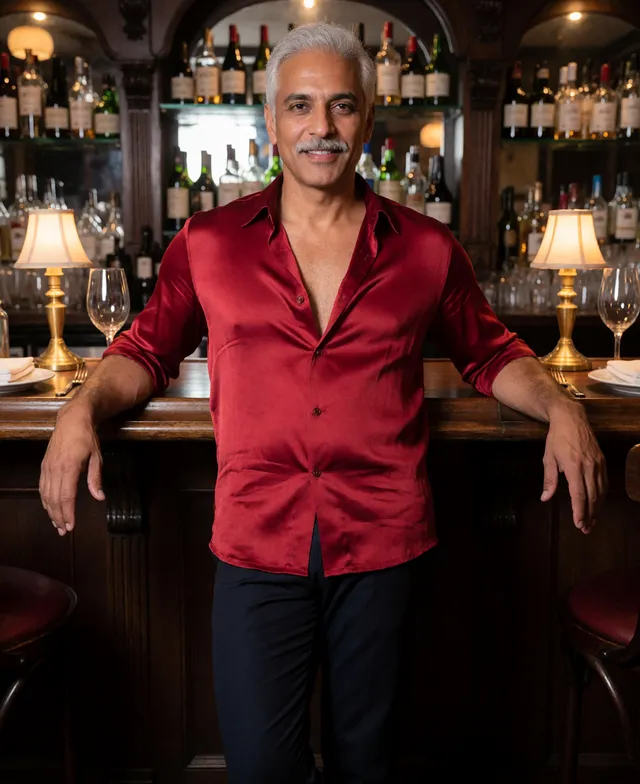
Every lead gets his headshot on his boarding pass and a wide cinematic banner on the home page, the way a star gets his poster. That is the picture side of the production today. Anything new on it is posted in the rushcut the day it arrives.

Questions from the press line

Are these men real?

No. The whole ensemble is AI, each man with a name, a career and a city made up for the part. No actor plays them, nobody is behind them, and nobody can be arranged. All of them are written as adults, between 25 and 55.

Who is this site for?

Gay and bi men who want Asian men written as the lead. You choose who you want to be pursued as, and the man at your stop writes his opening scene to you, man to man.

Is he a stereotype?

He is written to avoid it: each man has a trade, a temper, a past and a point of view of his own, and none of them is a side character in someone else's story. If a line ever reads like a cliche, tell us and it gets rewritten.

How far does the romance go in chat?

It carries real heat and flirtation, with tension that builds over a scene. At the point where it would become explicit the screen goes dark, and the story resumes afterwards, on every plan.

Does he remember me?

Yes. Whatever you tell him goes into his notes, and he brings it back when you return to his stop. Open the chat menu to read his notes; any of them can be edited or removed.

Is there a picture of him?

Yes. His headshot is on his boarding pass, and the home page runs a wide banner of him like a poster. Anything beyond that appears in the rushcut only once it exists.

What does it cost?

A guest gets 10 messages free. Boarding gives a 3-day trial with every stop open, after which the Free fare allows 10 lines daily. Plus is $15 for a 30-day ticket, paid in USDT, with no automatic renewal.

Final call for the leading man

Sixteen stops, sixteen opening scenes, and one of them already has a seat saved for you. Choose your stop and let him open the scene.

Choose your stop
The doctor with one line

The doctor with one line · Drama

The part on offer: the surgeon who says they did everything they could and leaves the frame.

The part he plays: the man who stays two hours after a double shift to hear what you meant.

Toronto. 'You're still here. So am I.'

Daniel Oh AI

Take the role Another page of the Casting Sheet